
When most people think of sleep apnea, they imagine snoring, restless nights, or a CPAP machine humming beside the bed. They don’t usually picture a dentist. But maybe you should.
The truth is, dentists are uniquely positioned to help with sleep-disordered breathing. The same anatomy they examine at every checkup, the jaw, the tongue, the palate, the throat, is exactly what determines whether your airway stays open while you sleep. And for many patients, the solution might be simpler than they think.
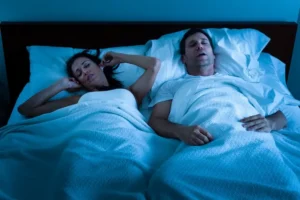
What Sleep Apnea Actually Is
Sleep apnea is more than just loud snoring. It’s a serious condition where your breathing repeatedly stops and starts during the night. These pauses can last several seconds or more, often waking you up briefly without you even realizing it.
The most common type is obstructive sleep apnea. That happens when the muscles in the back of your throat relax too much during sleep. They collapse inward, blocking your airway. Your brain senses the drop in oxygen and briefly rouses you to reopen the airway. This can happen dozens or even hundreds of times a night.
The result? Fragmented sleep, low oxygen levels, and a body that never fully rests.
Warning Signs You Shouldn’t Ignore
Maybe your partner noticed the snoring first. Or you started waking up with headaches your couldn’t explain. Or you feel exhausted all day even after sleeping eight hours.
If any of that sounds familiar, here are other signs to watch for:
- Loud, persistent snoring
- Gasping or choking sounds during sleep
- Waking up with a dry mouth or sore throat
- Morning headaches
- Daytime fatigue or falling asleep during the day
- Difficulty concentrating or memory problems
- Irritability or mood changes
You don’t need to have all of these to be at risk. Even a few are worth checking out.
How a Dentist Fits Into Sleep Apnea Treatment
Here’s where Dr. Sang’s training makes a difference. He looks beyond just teeth and gums. He’s trained to evaluate the whole chewing system, which includes the airway and jaw position.
For patients with mild to moderate obstructive sleep apnea, oral appliance therapy is often a highly effective option. Instead of a bulky CPAP machine, you wear a custom-fitted mouthguard-like device while you sleep. It gently positions your jaw and tongue forward to keep your airway open.
These appliances are different from anything you’d buy at a drugstore. They’re custom-made for your mouth based on impressions and measurements taken in our office. They’re comfortable, portable, and easy to use.
What to Expect If You’re Interested
We’ll start with a thorough evaluation of your airway, jaw, and bite. We’ll look for signs of teeth grinding, which often goes hand-in-hand with sleep apnea. We’ll review your symptoms and discuss whether oral appliance therapy might be right for you.
If we decide to move forward, we’ll take impressions and send them to a dental lab that specializes in sleep appliances. Once yours arrives, we’ll fit it carefully and make any adjustments needed to ensure it’s comfortable and effective.
Why This Matters Beyond Just Better Sleep
Untreated sleep apnea does more than make you tired. It’s linked to high blood pressure, heart disease, stroke, and diabetes. It affects your mood, your memory, and your ability to focus. It puts strain on your relationships when your snoring keeps your partner awake too.
Getting help isn’t just about feeling more rested. It’s about protecting your overall health.
We Can Help
You don’t have to live with sleep apnea symptoms. And you don’t have to assume CPAP is your only option.
If you’re ready to explore whether an oral appliance could help, give us a call at Palmetto Smiles. Dr. Sang can evaluate your situation and help you understand what’s possible. A better night’s sleep might be closer than you think.